Tips to Cut Stamping Waste in Ohio’s Industry
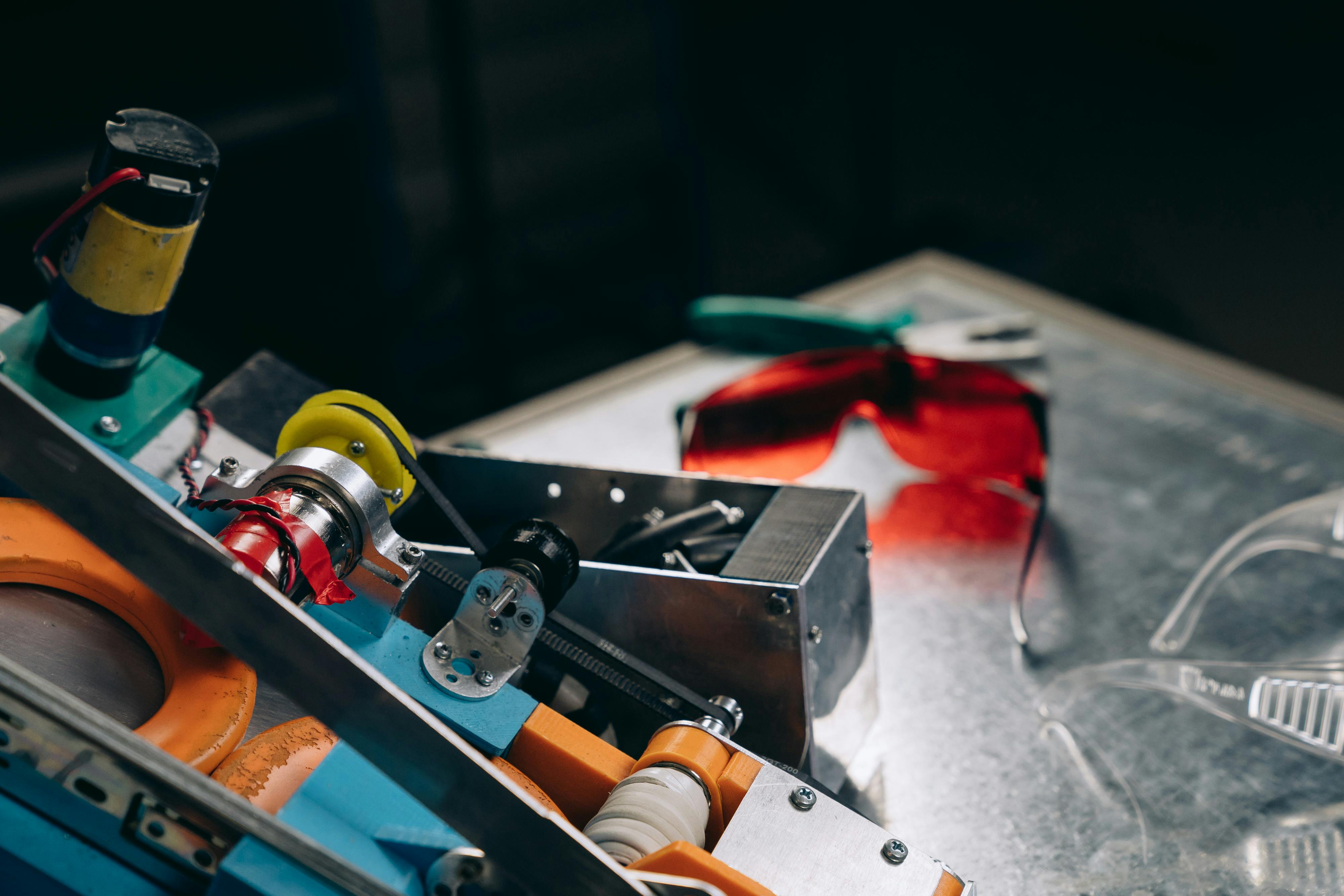
Stamping stores across Northeast Ohio encounter a common challenge: keeping waste down while maintaining top quality and conference tight due dates. Whether you're collaborating with vehicle elements, customer products, or industrial components, even small inadequacies in the stamping procedure can build up quick. In today's affordable production setting, cutting waste isn't just about conserving money-- it's about remaining feasible, adaptable, and ahead of the curve.
By concentrating on a couple of critical facets of stamping procedures, regional stores can make smarter use of products, reduce rework, and extend the life of their tooling. While the equipment and techniques differ from one facility to another, the basics of waste reduction are surprisingly universal. Here's how shops in Northeast Ohio can take practical steps to simplify their stamping processes.
Recognizing Where Waste Begins
Before modifications can be made, it's important to determine where waste is occurring in your operations. Typically, this begins with a complete analysis of resources use. Scrap steel, turned down components, and unneeded additional operations all contribute to loss. These problems may come from improperly made tooling, inconsistencies in die alignment, or not enough upkeep schedules.
When a component does not fulfill specification, it does not just influence the material price. There's likewise wasted time, labor, and power associated with running a whole set via the press. Shops that make the effort to diagnose the source of variant-- whether it's with the device configuration or operator method-- commonly find straightforward chances to cut waste drastically.
Tooling Precision: The Foundation of Efficiency
Accuracy in tooling is the foundation of effective marking. If passes away are out of placement or put on past resistance, waste becomes unpreventable. Top notch device maintenance, regular evaluations, and investing in precise measurement strategies can all extend device life and minimize worldly loss.
One way Northeast Ohio stores can tighten their procedure is by revisiting the device layout itself. Small changes in how the component is outlined or just how the strip advances through the die can yield large results. For instance, optimizing clearance in strike and die collections aids stop burrs and makes certain cleaner edges. Much better edges imply fewer defective parts and less post-processing.
Sometimes, shops have actually had success by moving from single-hit tooling to compound stamping, which combines numerous operations right into one press stroke. This approach not only quickens manufacturing but likewise lowers handling and part misalignment, both of which are sources of unnecessary waste.
Improving Material Flow with Smarter Layouts
Product flow plays a significant duty in stamping performance. If your shop floor is cluttered or if products need to travel also far between stages, you're losing time and boosting the threat of damages or contamination.
One means to reduce waste is to look carefully at exactly how materials go into and exit the stamping line. Are coils being packed smoothly? Are spaces stacked in a way that protects against damaging or bending? Simple adjustments to the design-- like reducing the distance between presses or creating devoted paths for finished items-- can enhance speed and decrease dealing official website with damage.
Another smart approach is to consider switching over from hand-fed presses to transfer stamping systems, particularly for larger or extra complex parts. These systems immediately move parts between terminals, lowering labor, reducing handling, and keeping components aligned with every step of the process. Over time, that uniformity aids reduced scrap rates and improve result.
Pass Away Design: Balancing Durability and Accuracy
Die style plays a central duty in exactly how successfully a store can decrease waste. A properly designed die is durable, simple to maintain, and efficient in producing regular results over hundreds of cycles. But also the best die can underperform if it wasn't constructed with the certain needs of the part in mind.
For components that entail complicated types or tight resistances, shops might need to invest in customized form dies that shape product a lot more slowly, minimizing the possibility of tearing or wrinkling. Although this may call for more in-depth planning upfront, the lasting benefits in reduced scrap and longer device life are usually well worth the financial investment.
Additionally, considering the kind of steel used in the die and the heat therapy process can boost performance. Sturdy materials might cost even more initially, but they often settle by calling for fewer fixings and replacements. Shops should likewise plan ahead to make dies modular or easy to change, so small changes partly design don't require a full device rebuild.
Training and Communication on the Shop Floor
Commonly, among the most neglected sources of waste is a break down in interaction. If drivers aren't totally educated on device setups, correct alignment, or part evaluation, even the very best tooling and style will not protect against issues. Shops that focus on normal training and cross-functional collaboration usually see better consistency across changes.
Developing a society where workers feel responsible for high quality-- and equipped to make modifications or record worries-- can help in reducing waste before it starts. When drivers recognize the "why" behind each action, they're more likely to identify inadequacies or detect indicators of wear prior to they end up being major troubles.
Establishing quick day-to-day checks, encouraging open responses, and fostering a sense of possession all add to smoother, much more effective procedures. Even the smallest adjustment, like labeling storage bins plainly or systematizing evaluation treatments, can create ripple effects that build up over time.
Data-Driven Decisions for Long-Term Impact
Among the smartest devices a store can make use of to cut waste is data. By tracking scrap rates, downtime, and material usage in time, it ends up being much easier to identify patterns and weak points at the same time. With this information, shops can make tactical choices concerning where to spend time, training, or resources.
As an example, if information reveals that a specific part always has high scrap prices, you can map it back to a certain device, shift, or device. From there, it's possible to pinpoint what requires to be dealt with. Maybe it's a lubrication issue. Maybe the device requires adjustment. Or possibly a small redesign would make a huge difference.
Also without fancy software program, shops can collect insights with a straightforward spreadsheet and consistent coverage. In time, these understandings can lead smarter purchasing, far better training, and more reliable upkeep routines.
Looking Ahead to More Sustainable Stamping
As industries across the area approach extra lasting operations, lowering waste is no longer nearly expense-- it's about ecological obligation and long-term durability. Shops that accept effectiveness, focus on tooling accuracy, and buy skilled teams are much better placed to satisfy the obstacles these days's fast-paced production globe.
In Northeast Ohio, where production plays an important duty in the economic situation, neighborhood stores have a distinct chance to lead by instance. By taking a better consider every facet of the marking process, from die style to material handling, stores can discover important means to minimize waste and boost efficiency.
Remain tuned to the blog site for even more pointers, insights, and updates that assist regional makers remain sharp, remain effective, and maintain moving on.